All Categories
Featured

Table of Contents
- – OCRV Center
- – Why Is My RV AC Not Cooling Properly in Califo...
- – Common Causes of Poor Cooling in Motorhomes
- – Dirty Coils and Filters Blocking Airflow
- – Low Refrigerant from Leaks or Normal Wear
- – Signs Your Unit Needs Immediate Attention
- – Warm Air from Vents Instead of Cold
- – Unusual Noises or Frequent Short Cycling
- – How Do I Fix RV AC Blowing Warm Air?
- – Step-by-Step Troubleshooting at Home
- – Check Power Supply and Breaker Status First
- – Inspect, Clean, or Replace Air Filters
- – When to Call for Professional Help
- – Suspected Capacitor or Compressor Failure
- – What Causes RV AC Not Turning On?
- – Electrical and Thermostat Issues
- – Tripped Breakers or Loose Connections
- – Fuse and Control Board Problems
- – Common RV Air Conditioner Problems and Proven ...
- – RV AC Capacitor Failure Symptoms and Replacement
- – Safe Testing Methods
- – Typical Cost Range ($400–$1,200)
- – Refrigerant Recharge: When It's Needed and Why
- – Identifying Low Refrigerant Signs
- – RV Rooftop AC Maintenance: Essential Tips for ...
- – Coil Cleaning and Fin Straightening Techniques
- – Recommended Tools and Safety Precautions
- – Gasket, Shroud, and Seal Inspection
- – Preventing Water Intrusion and Leaks
- – Dometic vs Coleman Mach vs Furrion: Brand-Spec...
- – Dometic Common Repairs and Solutions
- – Control Board and Thermostat Calibration
- – Coleman Mach Troubleshooting and Fixes
- – Fan Motor and Capacitor Challenges
- – Furrion Modern Unit Maintenance Needs
- – Mobile RV AC Repair: Benefits for California M...
- – On-Site Diagnostics and Immediate Repairs
- – Eliminating Towing and Downtime
- – Emergency Service During Heat Waves
- – RV AC Repair Costs in California: What to Expect
- – Breakdown by Repair Type
- – Diagnostic and Minor Service Fees
- – Full System Replacement Considerations
- – Local RV AC Repair Near You: Serving Southern ...
- – Extensive Coverage in Key Areas
- – Why Choosing Local Experts Matters
- – We Can Help! Contact Us Today.
- – OCRV Center
RV AC repair remains a top-priority service motorhome owners look for when journeying in California. The state’s wide range of temperature zones—from coastal humidity to inland desert heat—continuously challenge rooftop air conditioning units, resulting in common breakdowns that affect both comfort and on-road safety. Owners often look for help with why is my RV AC not cooling, how to fix RV AC blowing warm air, or RV AC not turning on because these problems create immediate discomfort, especially during peak summer journeys or prolonged camping. A true one-stop repair shop addresses these challenges more effectively than isolated specialists by evaluating the AC unit together with connected components such as wiring, seals, ducts, and thermostats in one visit. This unified method reduces repeat visits, minimizes overlooked concerns, and ensures reliable performance that preserve vehicle dependability. Comprehensive care also supplies owners with clear explanations, transparent pricing, and proactive advice that protect long-term value in the vehicle.
Many motorhome owners begin with temporary DIY attempts or seek out individual specialists only to encounter recurring malfunctions or escalating repair costs. One-stop facilities break this pattern by delivering complete expertise under one roof. Technicians skilled in multiple areas can determine how capacitor wear influences total power requirements or how minor roof gasket leaks cause coil icing. The outcome is quicker resolution, fewer repeat calls, and increased assurance during journeys. This integrated strategy offers exceptional advantages for full-time RVers, families planning extended trips, or people counting on their motorhome for dependable comfort amid California’s fluctuating conditions. Opting for a comprehensive facility ensures expert management of every part of RV air conditioner repair, ranging from routine upkeep to intricate component replacements. For regular upkeep choices, visit the RV maintenance services.
Why Is My RV AC Not Cooling Properly in California's Heat?
California’s powerful sunlight and elevated ambient temperatures impose heavy loads on RV rooftop AC units mounted on motorhomes. Vehicles parked under direct exposure or moving through inland valleys commonly see reduced cooling ability as heat buildup overwhelms system performance. Dust particles, road grit, pollen, and airborne contaminants quickly accumulate on condenser and evaporator coils, hindering heat exchange and resulting in only lukewarm or warm airflow. Slow refrigerant depletion from small leaks or part seepage lowers pressure levels, making the compressor work longer without generating sufficient cold air. Motorhome Generator Repair Placentia. Motorhome owners feel the difference immediately—clammy skin, condensation on windows, restless rest periods—and growing annoyance as the cabin heats up even while the unit functions without pause. These situations highlight the need of timely RV AC repair to maintain secure and pleasant living spaces during travel and camping. For connected maintenance tasks, view the RV roof repair services
Common Causes of Poor Cooling in Motorhomes
Collected debris on coils and blocked filters serve as the main contributors for diminished cooling output. Airborne matter collects swiftly during highway driving. Blocking fin areas and hindering heat transfer efficiency. Refrigerant shortages often result from tiny leaks at joints, seals, or evaporator areas that form gradually from constant movement and temperature fluctuations. Both problems worsen in extreme ambient temperatures, where the unit must work harder to maintain set temperatures, boosting power consumption and speeding component degradation. Periodic evaluation and deep cleaning stop these deposits from escalating into serious issues. Expert care ensures thorough cleaning without damaging delicate fins or seals. Further help with electrical concerns can be found via RV electrical services.
Dirty Coils and Filters Blocking Airflow
Coils collect dust, foliage, bugs, and highway debris that build an insulating cover and impede heat exchange. Restricted circulation results in coil icing or condenser overheating, significantly decreasing cooling capability. Filters become clogged quickly in dusty conditions, further reducing return air and stressing the blower assembly. Cleaning these parts reinstates normal airflow and performance. Regular attention prevents strain on the entire system.
Low Refrigerant from Leaks or Normal Wear
Refrigerant escapes slowly through small leaks or permeation, dropping pressure under required levels. Symptoms feature hissing at fittings or ice buildup on lines. Recharging without fixing leaks gives temporary relief only. Certified technicians detect and seal leaks prior to recharging to maintain ongoing efficiency. This process complies with EPA regulations for safe handling.
Signs Your Unit Needs Immediate Attention
Warm air from vents signals restricted airflow or low refrigerant, while grinding, rattling, or whining sounds signal mechanical deterioration in fan motors or compressors. Frequent short cycling—compressor starting and stopping quickly—indicates pressure imbalances or electrical issues that speed component fatigue. Ignoring these warnings can lead to complete failure amid peak heat. Early professional assessment identifies underlying causes and averts expensive progression.
Warm Air from Vents Instead of Cold
This problem commonly arises from compressor non-activation or extreme airflow obstruction. Owners experience no noticeable cooling despite fan running, causing unpleasantly warm living areas. Immediate diagnosis averts progression to more expensive repairs such as compressor replacement.
Unusual Noises or Frequent Short Cycling
Sounds indicate bearing wear or loose parts, while rapid cycling shows overload protection activating from high pressure or low voltage. Both decrease performance and heighten electrical system wear. Timely correction prolongs unit durability considerably.
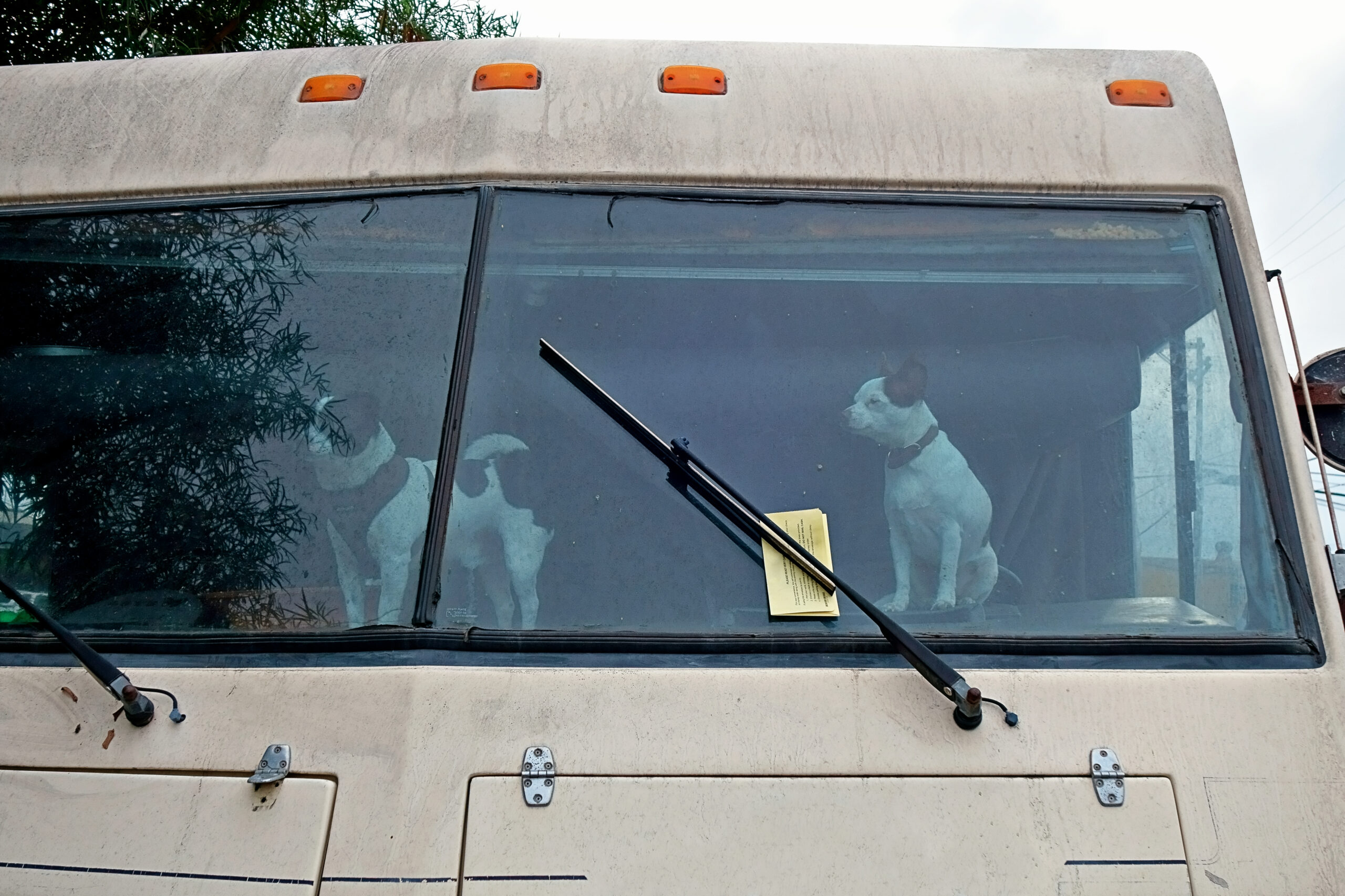
Recognizing these indicators early prevents escalation to serious failures like compressor burnout. Qualified assessment correctly locates core problems and recovers consistent cooling function. Contact a qualified local provider for a complimentary consultation to regain comfort quickly. More information about associated upkeep is on the RV maintenance page.
How Do I Fix RV AC Blowing Warm Air?
RV AC blowing warm air ranks among the top issues because it directly removes the anticipated relief from rising temperatures. Owners look for immediate cold airflow when turning on the unit, but receive only ambient-temperature flow or even hotter vent output. This failure often stems from blocked airflow across the evaporator, electrical issues preventing compressor engagement, or mechanical faults within the condensing unit. Basic at-home inspections can rule out easy causes, but continuing problems usually demand professional diagnostic equipment to assess refrigerant levels, capacitor status, or compressor operation. Fixing it early protects interior livability and prevents secondary harm to furnishings or electronics from extended heat exposure. For complementary electrical diagnostics, refer to RV electrical repair services.
Step-by-Step Troubleshooting at Home
Start with power supply verification by checking breaker status and confirming shore/generator output aligns with system demands. Inspect and clean or replace interior air filters, because clogged media greatly reduces return circulation and prompts coil icing or reduced performance. Verify thermostat configuration and replace batteries in wireless units to eliminate control faults or calibration shifts. Inspect visible duct runs for blockages or separations that redirect cooled air away from occupied zones. These preliminary steps frequently fix small airflow or power issues.
Check Power Supply and Breaker Status First
Electrical breaks from activated breakers or bad connections halt compressor operation entirely. Reset breakers and measure voltage at the unit to verify steady voltage. Insufficient voltage overworks components and blocks startup sequences.
Inspect, Clean, or Replace Air Filters
Filters capture dust and particulates that severely restrict airflow when filled. Fresh filters reinstate proper circulation and avert coil icing. Service reusable filters regularly during dusty travel to maintain efficiency.
When to Call for Professional Help
Signs of capacitor issues appear as humming with no compressor start, while compressor faults can cause no sound or intermittent operation. Low charge requires recovery equipment and leak detection that qualified pros carry out legally and safely. Electrical diagnostics identify shorts or faulty wiring that create hazards when overlooked.
Suspected Capacitor or Compressor Failure
Capacitors supply the surge required for motor initiation; degradation causes humming or no reaction. Compressor problems often concern internal windings or valves. Expert testing confirms the problem without risking further damage.
Fundamental checks yield helpful insights, yet professional evaluation prevents repeated failures and unnecessary part replacements. Contact experts to secure a durable, efficient fix. Learn more about complete services on the RV appliance repair page.
What Causes RV AC Not Turning On?
When the thermostat requests cooling and the unit stays quiet—no fan rotation, no compressor engagement, no chilled airflow—no fan movement, no compressor hum, no cool air—concern rises rapidly. RV AC not turning on typically originates from interruptions in the power path or issues in control systems. Continuous road vibration loosens wiring terminations over time, while power surges from generators or pedestals trigger safety devices. Malfunctioning thermostats fail to transmit the activation command, and fuses or control boards suffer damage from moisture or age. These electrical disruptions necessitate meticulous diagnosis to prevent repeated occurrences or safety risks. For additional electrical assistance, check RV electrical services.
Electrical and Thermostat Issues
Tripped breakers or GFCI devices halt power delivery, particularly after heavy usage from extra equipment. Loose or oxidized connections at the rooftop assembly or interior controls prevent electricity from reaching key elements. Thermostat failures encompass sensor drift or wiring defects that disrupt unit communication - Motorhome Generator Repair Placentia. Confirming steady voltage and tight connections commonly solves these problems
Tripped Breakers or Loose Connections
Circuit breakers guard against excess but respond to spikes or shorts. Loose connections elevate resistance and generate heat buildup. Securing and cleaning contacts reinstates dependable power transmission.
Fuse and Control Board Problems
Fuses blown from overload need replacement following correction of the root cause. Boards affected by condensation or surges may fail completely, stopping all activity. Testing isolates board issues from other electrical problems.
Avoid long trial-and-error that threatens more electrical issues. Book a consultation to pinpoint the precise issue and reinstate operation efficiently. Further information on evaluations is on the RV maintenance page.
Common RV Air Conditioner Problems and Proven Solutions
RV air conditioner problems consistently appear at the top of service request lists for motorhome owners, especially in regions with prolonged heat. Data from RV associations show that AC breakdowns make up a large portion of claims and roadside help requests. The blend of continuous vibration, environmental exposure, and intensive usage accelerates wear on key parts. Common issues include uneven cooling, strange noises, frozen coils, and complete shutdowns that leave interiors unpleasantly warm.
RV AC Capacitor Failure Symptoms and Replacement
Capacitors hold charge to supply the initial kick for compressor and blower startup. Failure generates a characteristic humming without engagement or sporadic operation. Safe testing employs multimeter verification of microfarad values, and replacement demanding discharge to avoid electrical shock. Costs generally fall between $400 and $1,200 including labor and components. Timely replacement reduces stress on other electrical parts. For related component work, refer to RV appliance services.
Safe Testing Methods
Apply insulated equipment and fully discharge before checking. Verify readings against factory specifications for exact results. Wrong methods risk electrical shock or further damage.
Typical Cost Range ($400–$1,200)
Pricing varies by unit rating and brand - Motorhome Generator Repair Placentia. Labor encompasses safe removal, verification, and installation. Premium parts guarantee longevity and dependable operation
Refrigerant Recharge: When It's Needed and Why
Refrigerant deficiency manifests as poor cooling, hissing sounds, or ice on lines. Only EPA-certified technicians may recover, evacuate, and recharge systems lawfully. The process includes leak locating and repair to ensure lasting recharge. Bypassing leak repair results in repeated service requirements.
Identifying Low Refrigerant Signs
Lowered cooling and frost patterns indicate low charge. Gauge measurements verify low charge in diagnostics. Prompt detection stops compressor harm from low-pressure operation.
Technicians with factory training and ASE credentials provide accurate, long-lasting fixes that decrease repeat service needs. Guarantees reinforce assurance in the service. Learn more about maintenance on the maintenance page.
RV Rooftop AC Maintenance: Essential Tips for Longevity
Routine RV rooftop AC maintenance substantially prolongs unit service life and maintains cooling ability under tough conditions. Annual maintenance spots degradation early. Maintaining airflow, efficiency, and part health. Ignored units drop 20–30% capacity over several seasons from accumulated debris and overlooked wear. Preventive steps include cleaning, checking, and small adjustments that ensure maximum system performance. Consistent attention also reduces energy consumption and improves overall reliability during extended use. For complete upkeep plans, visit RV maintenance services.
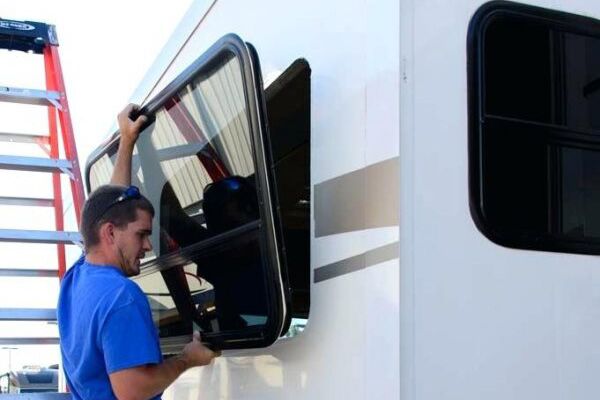
Coil Cleaning and Fin Straightening Techniques
Coils accumulate dust, foliage, and road contaminants that form an insulating layer and diminish heat transfer efficiency. Utilize manufacturer-recommended cleaners and low-pressure rinsing to prevent fin deformation. Straighten bent fins using a specialized comb to reinstate unrestricted airflow. Frequent coil cleaning stops performance drop and lengthens compressor service. Detailed cleaning keeps optimal performance year-round.
Recommended Tools and Safety Precautions
Soft brushes, manufacturer-approved foam cleaners, and fin combs provide safe, effective results. Disconnect power and wear protective equipment during the process. Do not use high-pressure water that deforms fins or pushes debris deeper.
Gasket, Shroud, and Seal Inspection
Gaskets around the roof opening deteriorate from UV rays and temperature swings, permitting water entry that causes corrosion or electrical faults. Examine shrouds for cracks and seals for flexibility, replacing when necessary to maintain watertight integrity. Correct sealing maintains insulation and stops moisture-related issues. Periodic inspections during seasonal prep catch deterioration early.
Preventing Water Intrusion and Leaks
Check for gaps or stiffening seals in regular inspections. Apply approved sealants to reestablish watertight conditions. Consistent evaluations identify degradation promptly and avoid water-related interior harm.
Ongoing preventive service significantly decreases breakdowns and boosts energy performance. Experienced teams execute these procedures efficiently, providing dependable outcomes owners can rely upon. Additional guidance appears on the RV roof repair page.
Dometic vs Coleman Mach vs Furrion: Brand-Specific RV AC Repair Insights
Each leading RV AC manufacturer presents specific repair traits shaped by engineering and typical application. Understanding these differences helps owners predict issues and select appropriate service. Dometic systems often demand attention to control boards after extended exposure to heat and vibration. Coleman Mach systems often face fan motor or capacitor wear from frequent startups. Furrion models, featuring contemporary electronics, may require firmware updates or sensor maintenance. Manufacturer-focused experience assures exact diagnosis and proper component choice. For appliance-related support, visit RV appliance services.
Dometic Common Repairs and Solutions
Dometic systems frequently require control board inspection after extended heat and vibration. Thermostat settings shift slowly, leading to inexact temperature regulation. Technicians employ diagnostic equipment to reprogram or substitute boards as required. Periodic firmware updates keep best performance through different environments.
Control Board and Thermostat Calibration
Control board failures result in erratic cycling or total non-operation. Calibration reinstates precise sensing and regulation. Substitution employs factory-spec parts for compatibility and lasting performance.
Coleman Mach Troubleshooting and Fixes
Coleman Mach models frequently experience fan motor bearing degradation or capacitor weakening from startup current demands. Periodic lubrication and voltage monitoring prevent early failure. Fan components get complete inspection in service calls.
Fan Motor and Capacitor Challenges
Bearing sounds signal impending failure. Capacitor checks confirm capacity loss. Prompt replacement prevents complete motor failure and electrical overload.
Furrion Modern Unit Maintenance Needs
Furrion units feature modern electronics that benefit from firmware updates and sensor maintenance. Refrigerant checks maintain correct charge in different ambient temperatures. Electronic diagnostics quickly isolate faults for efficient repair.
Brand-specific expertise ensures accurate diagnosis and proper repair. Professionals with factory training manage every brand proficiently. Additional manufacturer information appears on the appliance repair page.
Mobile RV AC Repair: Benefits for California Motorhome Owners
Mobile RV AC repair removes the need to tow or move heavy motorhomes to a fixed shop. Technicians come fully prepared to perform diagnostics, part replacement, and system testing directly at the campsite, residence, or roadside location. This flexibility proves especially valuable during trips or when fixed-shop access is difficult. Mobile service decreases vehicle stress and owner inconvenience while providing professional-grade results. For mobile-capable options, see RV service offerings.
On-Site Diagnostics and Immediate Repairs
Portable diagnostic tools allow complete evaluation with minimal disassembly in most instances. Numerous repairs conclude the same day, reducing interference with travel plans. Pros keep common parts on hand for fast resolution of frequent problems.
Eliminating Towing and Downtime
Towing large motorhomes risks additional harm and incurs high costs. On-site service circumvents these costs and preserves vehicle positioning. Prompt repairs preserve schedule integrity and owner ease.
Emergency Service During Heat Waves
Fast service during heat waves stops heat-related issues and protects vulnerable parts from overheating harm. Emergency requests receive priority scheduling to reinstate cooling rapidly.
Mobile capability substantially reduces stress and vehicle downtime. Dependable technicians emphasize quick, comprehensive solutions. Discover additional mobile service on the service page.
RV AC Repair Costs in California: What to Expect
Being aware of RV AC repair expenses allows owners to budget accurately and stop surprise charges. Initial diagnostics usually cost $150 to $300 depending on complexity and distance traveled. Minor services including coil cleaning, filter replacement, or gasket sealing average $300 to $800. Capacitor or fan motor repairs fall between $400 and $1,200, while entire unit replacement falls between $1,500 and $2,500 depending on BTU rating, brand match, and installation requirements. Clear pricing supports smart budgeting. For cost-related insights on other services, refer to RV maintenance pricing.
Breakdown by Repair Type
Evaluation fees include complete inspection and reporting. Minor service targets accessible components using standard replacement parts. Major replacement incorporates the unit, labor, and comprehensive system verification. Expenses reflect parts quality and technician skill.
Diagnostic and Minor Service Fees
Diagnostics correctly determine faults. Small fixes use OEM or comparable parts for dependability. Fees remain competitive with detailed breakdowns provided upfront.
Full System Replacement Considerations
Considerations include duct compatibility, generator size, and required adjustments. Professional fitting assures proper sealing and electrical integration for maximum efficiency.
Clear cost communication establishes trust. Value-focused service safeguards the investment over extended periods. Further expense information is available on the service page.
Local RV AC Repair Near You: Serving Southern California
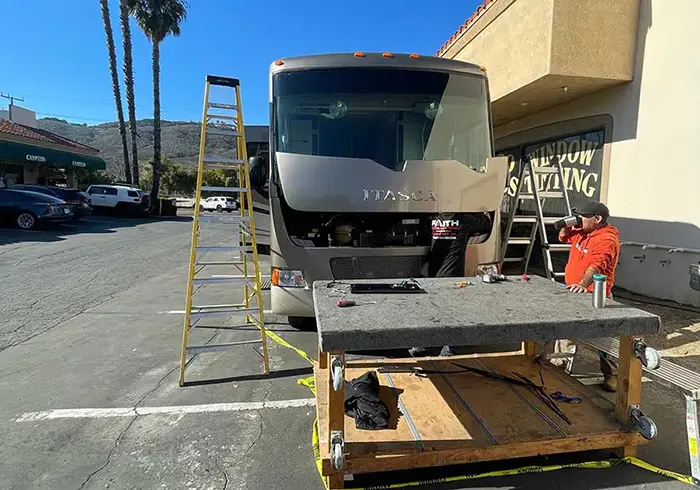
The varied terrain and weather of Southern California demand responsive local RV AC repair service. Service covers Orange County cities like Anaheim, Irvine, Huntington Beach, Fullerton, Yorba Linda, and surrounding regions, reaching across Los Angeles County, Inland Empire, Riverside and San Bernardino Counties, San Diego, and Ventura. Proximity to key highways facilitates quick arrival. Local service adapts to regional factors such as coastal corrosion or desert dust accumulation. For location-specific service pages, see Anaheim RV repair, Irvine RV repair, Chino Hills RV repair, Fullerton RV repair, and Yorba Linda RV repair.
Extensive Coverage in Key Areas
Coverage extends to coastal areas, inland valleys, and desert locations where heat stress profiles differ considerably. Technicians possess familiarity with local environmental conditions that accelerate unit wear.
Why Choosing Local Experts Matters
Area knowledge delivers specific solutions for humidity, dust, and temperature challenges. Quick service limits discomfort during high-temperature periods. Nearby positioning supports same-day or next-day service in most areas.
OCRV Center, 23281 La Palma Ave. Yorba Linda CA 92887, (714) 909-1444 delivers dependable local support across Southern California. Favorable location facilitates strong coverage for local RV AC repair searches in the region. Additional location-based services are available through RV repair near me pages.
We Can Help! Contact Us Today.
Imagine reaching a scenic spot, turning on the AC, and instantly feeling refreshing cool air fill the cabin—no more sticky discomfort, restless nights, or canceled plans due to heat buildup. That quick relief enables families to unwind thoroughly, share meaningful talks, rest well, and form enduring memories without concern or interruption. The emotional freedom of trusting a dependable system for every journey lifts a constant burden, replacing concern with eagerness for upcoming trips. Owners gain renewed assurance knowing unexpected failures will not interrupt carefully planned itineraries.
On the logical side, expert RV AC repair stops expensive secondary damage such as compressor breakdown, wiring issues, or mold from unnoticed leaks. Certified interventions preserve system efficiency, decrease power consumption, and prolong unit service life, providing clear return on investment via fewer visits and lower overall expenses. Clear pricing eliminates surprises, while detailed diagnostics catch related issues early, saving time and money versus reactive methods. Repeatable excellent results assure dependable function across seasons and environments.
The on-site technicians found and repaired our Dometic RV AC problem at the campground, returning full cooling power in hours—our summer schedule remained fully intact. Honest pricing and expert capacitor work gave total assurance for our extended cross-state trip. Prompt response and thorough explanations transformed a potentially stressful breakdown into a seamless experience from initial contact through completion. These actual results illustrate consistent service excellence.
Satisfaction guarantee backs every repair, ensuring confidence in the results. All-in-one service addresses the air conditioner plus electrical, roof, and ductwork for complete dependability. Conveniently situated near major transportation routes in Southern California, the team assists motorhome owners, campers, fifth wheels, travel trailers, and additional vehicle types with accuracy and attention to detail. Complimentary consultations provide honest assessments and clear estimates. With more than a decade of focused experience and an unwavering commitment to quality, each project prioritizes repeatable, high-performance outcomes. Contact local RV AC repair specialists today at (714) 909-1444 or through the website to arrange service. Your comfortable, dependable motorhome journeys begin with a single call. OCRV Center is equipped to offer the solutions essential for peaceful travel.
OCRV Center
Address: 23281 La Palma Ave Yorba Linda, CA 92887Phone: (714) 909-1444
Email: art@ocrvcenter.com
OCRV Center
Norcold Rv Refrigerator Repair Placentia, CA
Rv Windshield Replacement Placentia, CA
Norcold Rv Refrigerator Repair Placentia, CA
Motorhome Air Conditioner Repair Placentia, CA
Rv Windshield Replacement Placentia, CA
Rv Windshield Repair Placentia, CA
Emergency Rv Repair Near Me Placentia, CA
Onan Generator Repair Placentia, CA
Motorhome Generator Repair Placentia, CA
Rv Repair Shops Placentia, CA
Rv Repair Shops Near Me Placentia, CA
Dometic Refrigerator Repair Placentia, CA
Rv Air Conditioner Repair Near Me Placentia, CA
Norcold Repair Placentia, CA
Onan Generator Repair Placentia, CA
Motorhome Air Conditioner Repair Placentia, CA
Rv Window Repair Placentia, CA
Rv Fridge Repair Placentia, CA
Rv Windshield Repair Near Me Placentia, CA
Rv Air Conditioning Repair Placentia, CA
Rv Air Conditioner Repair Placentia, CA
Rv Windshield Repair Placentia, CA
Norcold Rv Refrigerator Repair Placentia, CA
Norcold Repair Placentia, CA
Rv Engine Repair Near Me Placentia, CA
Motorhome Repair Shop Near Me Placentia, CA
Motorhome Repair Shop Near Me Placentia, CA
Rv Windshield Repair Placentia, CA
Rv Air Conditioning Repair Near Me Placentia, CA
Rv Air Conditioning Repair Placentia, CA
Rv Repair Shops Placentia, CA
Rv A/C Repair Near Me Placentia, CA
Motorhome Generator Repair Placentia, CA
Norcold Rv Refrigerator Repair Placentia, CA
Rv Engine Repair Near Me Placentia, CA
Rv Air Conditioner Repair Near Me Placentia, CA
Rv Windshield Repair Near Me Placentia, CA
Rv A/C Repair Near Me Placentia, CA
Rv Repair Shop Near Me Placentia, CA
Rv Fridge Repair Placentia, CA
Rv A/C Repair Near Me Placentia, CA
Rv Ac Repair Placentia, CA
Motorhome Air Conditioner Repair Placentia, CA
Rv Window Repair Near Me Placentia, CA
Rv Window Repair Near Me Placentia, CA
Rv Repair Shop Near Me Placentia, CA
Rv Window Repair Near Me Placentia, CA
Rv Windshield Repair Placentia, CA
Rv Air Conditioner Repair Near Me Placentia, CA
Rv Repair Shops Placentia, CA
Motorhome Repair Shop Near Me Placentia, CA
Norcold Rv Refrigerator Repair Placentia, CA
Rv Air Conditioning Repair Near Me Placentia, CA
Rv Repair Shops Placentia, CA
Norcold Repair Placentia, CA
Rv Ac Repair Placentia, CA
Rv Air Conditioner Repair Near Me Placentia, CA
Rv Fridge Repair Placentia, CA
Rv A/C Repair Near Me Placentia, CA
Onan Generator Repair Placentia, CA
Motorhome Generator Repair Placentia, CA
Rv Windshield Repair Placentia, CA
Dometic Refrigerator Repair Placentia, CA
Rv Air Conditioning Repair Placentia, CA
Motorhome Repair Shop Near Me Placentia, CA
Norcold Rv Refrigerator Repair Placentia, CA
Rv Repair Shop Near Me Placentia, CA
Rv Service And Repair Placentia, CA
Rv Windshield Repair Placentia, CA
Rv Window Repair Placentia, CA
Rv Window Repair Placentia, CA
Rv A/C Repair Near Me Placentia, CA
Norcold Rv Refrigerator Repair Placentia, CA
Rv Window Repair Placentia, CA
Rv Air Conditioning Repair Near Me Placentia, CA
Rv Engine Repair Near Me Placentia, CA
Rv Air Conditioning Repair Placentia, CA
Rv Ac Repair Placentia, CA
Around Here Seo Expert Placentia, CA
Around Me Seo For Law Firms Placentia, CA
OCRV Center
Rv Repair Shops Near Me Placentia, CA
Rv Windshield Replacement Placentia, CA

Table of Contents
- – OCRV Center
- – Why Is My RV AC Not Cooling Properly in Califo...
- – Common Causes of Poor Cooling in Motorhomes
- – Dirty Coils and Filters Blocking Airflow
- – Low Refrigerant from Leaks or Normal Wear
- – Signs Your Unit Needs Immediate Attention
- – Warm Air from Vents Instead of Cold
- – Unusual Noises or Frequent Short Cycling
- – How Do I Fix RV AC Blowing Warm Air?
- – Step-by-Step Troubleshooting at Home
- – Check Power Supply and Breaker Status First
- – Inspect, Clean, or Replace Air Filters
- – When to Call for Professional Help
- – Suspected Capacitor or Compressor Failure
- – What Causes RV AC Not Turning On?
- – Electrical and Thermostat Issues
- – Tripped Breakers or Loose Connections
- – Fuse and Control Board Problems
- – Common RV Air Conditioner Problems and Proven ...
- – RV AC Capacitor Failure Symptoms and Replacement
- – Safe Testing Methods
- – Typical Cost Range ($400–$1,200)
- – Refrigerant Recharge: When It's Needed and Why
- – Identifying Low Refrigerant Signs
- – RV Rooftop AC Maintenance: Essential Tips for ...
- – Coil Cleaning and Fin Straightening Techniques
- – Recommended Tools and Safety Precautions
- – Gasket, Shroud, and Seal Inspection
- – Preventing Water Intrusion and Leaks
- – Dometic vs Coleman Mach vs Furrion: Brand-Spec...
- – Dometic Common Repairs and Solutions
- – Control Board and Thermostat Calibration
- – Coleman Mach Troubleshooting and Fixes
- – Fan Motor and Capacitor Challenges
- – Furrion Modern Unit Maintenance Needs
- – Mobile RV AC Repair: Benefits for California M...
- – On-Site Diagnostics and Immediate Repairs
- – Eliminating Towing and Downtime
- – Emergency Service During Heat Waves
- – RV AC Repair Costs in California: What to Expect
- – Breakdown by Repair Type
- – Diagnostic and Minor Service Fees
- – Full System Replacement Considerations
- – Local RV AC Repair Near You: Serving Southern ...
- – Extensive Coverage in Key Areas
- – Why Choosing Local Experts Matters
- – We Can Help! Contact Us Today.
- – OCRV Center
Latest Posts

Website Design Agency Eastvale

Top Social Media Marketing Company Norco

Best Local Seo Irvine
More
Latest Posts
Website Design Agency Eastvale
Top Social Media Marketing Company Norco
Best Local Seo Irvine