All Categories
Featured
Table of Contents
Motorhome Paint Shops Norco, CA
If you're bound and established to remove the professionals and make this a DIY project, this little overview will certainly establish you on the best track. A rig with a fresh coat of external recreational vehicle paint is a stunning thing, especially if you are accountable for it. Nonetheless, outside paints, particularly in RV and marine applications, come with a level of clinical class.
When you atomize your paint with an HVLP or airless sprayer, it requires to bond to the surface at a molecular degree. The results will look great, at least until the first bump comes along and an entire sheet of paint falls off.
It's frequently less regarding the product of the sidewalls and more concerning the original paint. A lot of customers leaping on the Do it yourself paint task bandwagon are enhancing an existing aesthetic, not painting the raw fiberglass or aluminum surface area of a Recreational vehicle.
Rv Painting Norco, CA
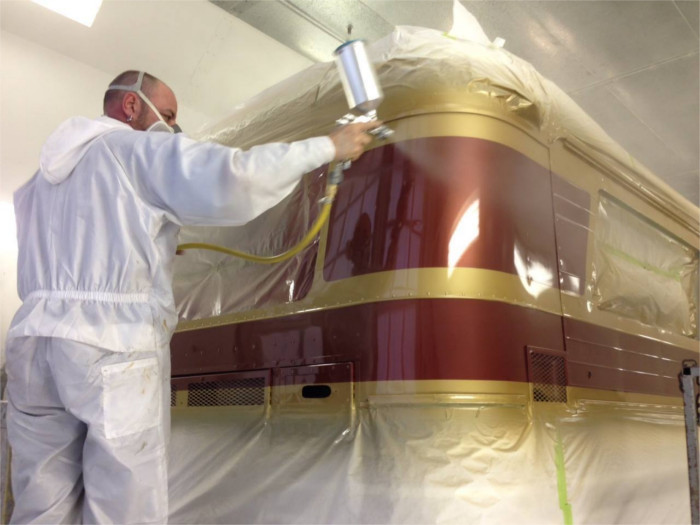
If you are repainting the raw surface area, we have actually got you covered there too. Your substratum will generally be old paint unless you occur to be painting RVs as they come off the assembly line. There are two things you need to recognize that are of the utmost importance in terms of paint durability, long life, and a superb aesthetic: surface preparation and bonding guide.
Yes, it will increase the cost of a DIY recreational vehicle paint work, yet it will certainly also conserve you a lot of cash and heartache in the future. The rest steams down to your overcoat of selection. Nonetheless, which one is the very best, and what do they all indicate? Acrylic is a solid choice as an exterior motor home paint, particularly if you're painting the raw surface of an aluminum RV.
Because polymer is a thin paint, it will typically set you back even more for the extra layers. Polymer is normally utilized as a combination for exterior paints, such as acrylic-enamel.Latex is a water-based paint and, for the lengthiest time, oil-based paints have actually always been the best motor home exterior paint of option, or outside anything, for that matter.
Motorhome Paint Shops Norco, CA
It's hard to provide this one a strong 'yes,' though given that long-lasting practicality is still ever before so a little up in the air.Enamel is oil-based and gives the thickest single coat of the bunch. It dries out gradually, but it also dries out hard, developing a safety shell. Its slow-moving drying time makes paint errors fixable.
Conveniently among the most versatile coating layers on the listing, one-part polyurethane collaborate with wood, fiberglass, steel, light weight aluminum, and plastics. It offers UV defense and minimizes the requirement for waxing, thanks to its glossy finish. It also improves wind resistant performance and is a solid waterproofing choice. Surface prep for polyurethane is an exceptionally thorough and patient process, however.Two-part polyurethane has all the benefits of one-part polyurethane, except the finish is harder, has a higher gloss look, and is much even more expensive.Epoxy paints are the primary outside paints in united state.If you're going for a super-glossy look, water-based is the incorrect choice. Outside RV paint is everything about surface preparation. Without surface prep, your topcoat might as well be made of cotton candy. Because that has to do with what you'll obtain out of ita wildly vibrant and attractive aesthetic, quickly followed by spoil, misery, and returning in with your in-laws. With appropriate surface preparation, the exterior-grade paint you pick will
be how your RV emerges to the globe. There are a great deal of difficult options in the above checklist, and RVers will certainly all more than happy to tell you their very own individual choice. Inevitably, it refers obtaining what you spend for. That's not to say the other selections are wrong, just less efficient in terms of durability . Marine grade might seem like it has nothing to do with Recreational vehicles, however it does, in the majority of ways. Boats and RVs share several common attributes. Some are aluminum, and some are fiberglass. Both call for UV protection, waterproofing, corrosion resistance, adaptability, and a desirable visual. While temperature affects the healing process of external RV paint, there's still a window in which most paint applications are ideal. You're great to enter temperatures anywhere between 50F and 85F. Before you begin, pay attention to the climate, particularly if you pick an oil-based paint. Since they heal slower, the home window for disaster is larger. That will certainly be harder near the Gulf of Mexico, the Pacific Ocean, or the Atlantic Sea . In those instances, locate an interior facility, head inland, or wait until the fall. Stay clear of gusty conditions whenever possible, especially if you're mosting likely to use a paint sprayer. This is where all the enjoyable scientific research stuff begins. While bonding guide is frequently taken the best requirement for a solid leading coat to adhere, it's.
Rv Paint Norco, CA
not. It's really important, but it's not the end-all-be-all of the process. Not just do you need to sand every square inch of surface on your RV, yet you also have to sand your bonding guide. A lot of bonding primers will supply you with a 7-day home window for optimum overcoat adherence. When you return, utilize 220+ grit sandpaper to lightly open the guide and get rid of any kind of blemishes. Don't dig unfathomable with the sandpaper, as you do not desire to mistakenly get rid of the bonding primer. The pathway to producing the very best outside motor home paint task begins and finishes with a sprayer. The issue is not every person fits using one. Hold that trigger for too lengthy or get the suggestion also near to the surface area, and points go.
southern in a rush. If you choose to use a roller, a three-inch, high-density foam roller is the finest selection. It creates the best finish without leaving behind small fibers that originate from wool rollers. This is crucial to an effective finish. You must just make use of paint brushes for difficult-to-access areas and stick with the foam kind as opposed to the bristles. The bristles tend to leave little rows behind, which looks negative when it treatments. No matter what you do, don't overdo it. Gravity works versus paint, similar to whatever else. Location the pointer about 8 to 12 away from the surface area and relocate quickly with overlapping rows. The female's speed (in the above video clip) is right, but, sometimes, her strategy is not. At the 2:01 -minute mark, her technique is ideal, keeping an equal range backwards and forwards the painting surface. It may sound unimportant, however it produces whole rows of slim paint that sandwich rows of thick paint in between them. Guarantee that there will certainly be no negative weather condition events, to the finest of your ability, in the 24 hours following your paint work. For high-gloss or high-sheen coatings, don't wax it. For low-gloss or low-sheen paint jobs, do not hesitate to wax the finished item. The most effective method to keep the aesthetic and general charm of your outside recreational vehicle paint job is to regularly clean it. You don't have to go all wild and clean it every 2 or 3 days. Just develop a regular and maintain it tidy. A do it yourself outside RV paint job isn't as extravagant and revitalizing as it appears. The bright side is that nothing that looks great ever comes from little initiative. You can always obtain a specialist to do it. There are marine industrial painters and vehicle detailers that would certainly enjoy to do it. Plus, we share leading item recommendations so your camper appears looking fresh. For referral, I utilized of base color to repaint roughly. That straightens with the approximated needed for full protection. This consisted of, with some overlap and common overspray waste. Below is a basic quote of how much paint you'll require to cover the. To offer both rigs a fresh face-lift, this is the outside paint technique that we advise. Wish to take a look at both improvements? Below is the 2007 Keystone Hornet and the 2005 Keystone Hornet. Right here is how to repaint your RV's outside. 1 Begin by giving your RV an excellent clean to remove any type of dirt, dirt, or roadway crud.
Paint Motorhome Exterior Norco, CA
See to it to rinse extensively so no soap or deposit is left behind. Allow the RV before relocating on to the following stepthis assists your tape stick better and protects against wetness from obtaining caught under paint. 2 they'll cause the paint to peel and leave behind an irregular coating. Use a warm gun to delicately warm up the vinyl. This softens the sticky and makes removal much easier. Begin at one corner and gradually pull it off. A 3M decal remover device can be a massive helpespecially for old, sun-faded decals that are brittle or stuck on limited. Clean off any kind of sticky residue with a towel and Goof Off, a sticky eliminator, or even orange essential oil (which functions remarkably well! ). 3 Prior to you paint, it's an excellent concept to eliminate any plastic components or trim piecesespecially if your RV is older. Gradually, parts like can come to be faded, breakable, or fractured from sun direct exposure. This is a perfect time to change them with(you can discover plenty at RecPro ). I likewise recommend removing the and painting them separately. Norco Motorhome Custom Paint. To eliminate the hatch doors, simply unscrew one end of the hinge and. Remove any old from the framework, and once everything is painted and dry, replace it with a fresh gasket for a tighter seal and a refined appearance. 4 Much like when repainting the interior of your RV or your home, you'll want to such as windows, lights, trim, door deals with, vents, and any kind of devices you could not eliminate. It lets you apply painter's tape and covering up film with each other, which.
conserves time and helps you obtain tidy, straight lines. Usage masking film to cover larger areas and shield them from overspray. Press the sides down firmlyespecially around seams and hardwareto maintain paint from slipping below. If you're eliminating parts like vent covers or lighting fixtures, snap a fast image prior to taking them off. Usage or a sanding block to. The goal here isn't to get rid of layersjust to dull the shiny coating and give the brand-new paint something to grasp onto. Take your time and job evenly throughout the surface. This step is vital for helping (or any automobile paint) stick effectively and providing you a smooth, lasting surface. 6 After fining sand, it's important to thoroughly cleanse the surface area before you begin painting. with acetone and a to remove any kind of oils, grease, or residue that could stop the paint from sticking. with a to get fining sand dust. to catch any continuing to be bits for a clean, paint-ready surface area. See to it the surface is completely dry before relocating on to guide. 7 With your surface area tidy and prepped, it's time to apply the primer. Making use of a, use a light, even layer to all locations you plan to paint. Primer creates a smooth, uniform base and aids the paint stick properly. Avoid painting in straight sunlight, on windy days, or when dirt remains in the airthese conditions can influence how the guide dries out and can cause a harsh or unequal surface. 8 Currently it's time to bring your motor home's make over to life! Making use of a, apply the base shade in smooth, even passes. For the ideal outcomes, comply with these actions: Apply a light, even layer using. Keep the sprayer regarding and preserve a to avoid lap marks. Allow the paint completely dry entirely according to the producer's guidelines. This aids the following coat stick better and smooths out any type of tiny imperfections. Clean whatever down with a to remove any dirt. Utilize a to pick up any kind of continuing to be bits. Apply a 2nd layer using the exact same technique. If the paint still looks unequal after drying, repeat the scuffing and cleansing process, then apply a 3rd layer if needed. When the paint is completely healed(adhere to the timeline on your Dupli-Color or selected item), you can to enhance the shine and provide it a clean,
professional look. Wait till the paint is completely cured prior to buffingrushing this action can plain or damage your finish. Bear in mind to appropriately prep the outside surface area so that the paint has something to stick to. It's an age-old inquiry. Do you take your recreational vehicle to a custom-made paint store or select a DO IT YOURSELF recreational vehicle paint job? As a motor home proprietor, it's a concern that you at some pointhave to face when your motor home's outside begins to use. There's no right or incorrect solution when it involves selecting an expert recreational vehicle paint work or going the DIY paint route. One of the most likely reason an individual chooses to go do it yourself is because of the cost variable. Depending upon the dimension and design, the average recreational vehicle paint job can range from $5,000-$15,000+. Repainting a RV by yourself, nevertheless, can be as low-cost as $300 if you agree to spend the time and initiative. If you can spare the effort, you can do the labor on your own and save cash in the process. With help from the web, you can discover to complete anything. There's a wide range of knowledge to guide you step-by-step through the process of painting your RV. You can bring up a written guide on your phone(or publish them out )or you can adhere to together with a YouTube video. While it might appear discouraging to sort through, with persistence and resolution, you can use these resources to help you change your RV outside. When you make a decision to repaint your motorhome on your own, you have total control over what happens. You decide what kind of paint and supplies are used. Be as flashy or as moderate as you want. As long as you have the capability to, you can personalize your exterior to your preference. There's likewise a sense of accomplishment that includes handling a large DIY task. You can't defeat the sensation of standing back and really feeling pride in the effort you have actually placed in. When you most likely to a custom-made paint store, there's an expectation in the quality of the end product. That assumption originates from the experience and resources that a paint store has to offer. Custom paint shops feature staff membersthat are trained in a procedure that's been done plenty of times. That process has actually been pin down into an effective regimen for the store workers. Not every individual is creatively inclined. And developing designs for a RV may be more challenging than anticipated. If you aren't the artistic kind, a motor home paint shop will certainly have plentyof reliable styles and colors to pick from. They'll function with you to obtain the most effective watch out of your recreational vehicle. [] While do it yourself is a cost-saving measure, it will use up a great piece of time to full paint your RV. Estimated time to complete a DIY motor home project can use up to 30 hours or even more. Those who function permanent may discover it tough to locate the spare time beyond the weekend to go through painting their mobile home. Eventually, the choice is your own on exactly how to care for your RV. It's your automobile and your journey. Just make certain to think about all your alternatives when making that option. If you choose to obtain your paint done professionally and are looking for a costs, high-grade solution, look into CDI Customized Paint today and obtain a quote. We are still in the Madison, Wi. campground at the FMCA rally. We talked to folks from Mike's Customized Painting in Bremen, In. Regarding doing an overall repaint of our 1999 DSDP.From what they stated, and what you can see on their web site, I have little uncertainty they would certainly do an initial price work. Quality of products and handiwork are what I'm looking for. If you have comments you prefer to not publish on the discussion forum, please send them to me at:! Bob. Many thanks for all the replies. I'm in the very early phases of considering this, yet the m/h requires it. I'm either going to have this done, or clean it up and offer it and get something a little much better- probably willwait until springtime if I go that course. I'm very happy with the remainder of the m/h, floorplan, mechanicals, etc, so I truly wouldn't mind maintaining this set. I recognize I'm going to obtain some flack for this and some people are going to shake their heads and increase some eyebrows. I don't comply with the guidelines for auto-body paint and perhaps not also for camper painting. Below's why, That's right. I do not spray it, I don't make use of automobile paint. Sometimes I don't also eliminate the stickers(wheeze!). Is it best? No. Is it way better than prior to? Yes. Am I shamed to be seen with it after it has been repainted? No. Was I previously stressed concerning being mistaken for a mobile meth laboratory? Yes. Am I bothered with it now? No. I always assess a project prior to diving in and using any one method. I will constantly evaluate the decals and attempt to remove them. If you would like to attempt to eliminate the decals, you will intend to try the adhering to materials: The correct way to paint a recreational vehicle exterior involves eliminating decals, power cleaning, taping and covering windows and then spraying on an auto grade paint with a paint sprayer. If you've been averted at particular camping sites based on your recreational vehicle's appearance, you should repaint. Right here is what I do to prep the surface prior to paint: Gently sand locations where the decals are bubbling or peeling off up Power clean every little thing, consisting of the roofing system Enable to completely dry completely Seal up edges and around all windows with a paintable caulk.
Motorhome Painting Norco, CA
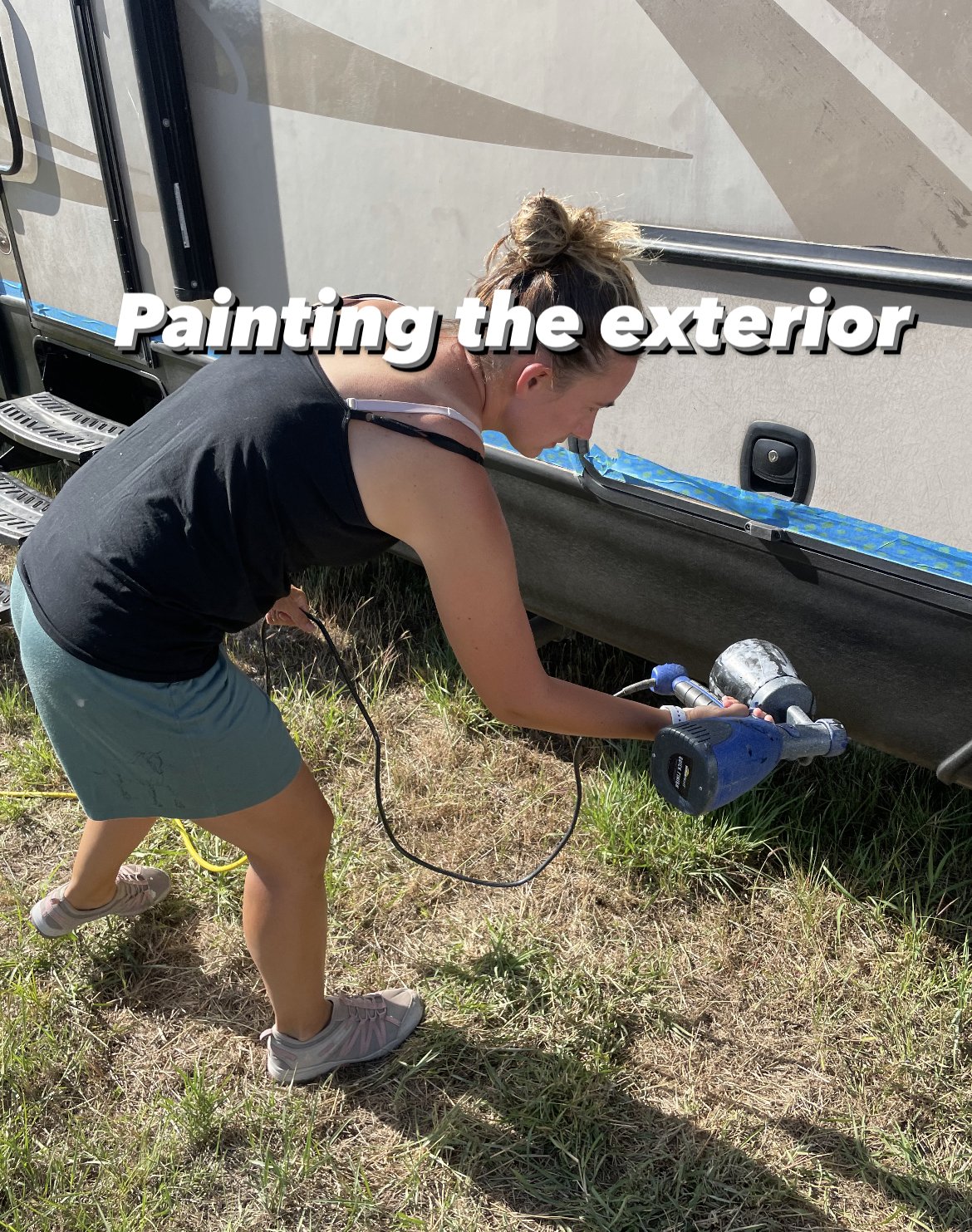
Those points would NOT come off. Currently, the siding on that particular specific trailer was wavy, not smooth. I assume removing decals from a smooth-sided trailer is much easier. I vowed that day never ever to throw away that much time again. I will always evaluate stickers and effort to eliminate them, yet if they appear like they aren't going anywhere and the camper is greater than two decades old, I will likely simply paint over them.
Those points would NOT come off. Currently, the exterior siding on that particular trailer was wavy, not smooth. I believe removing stickers from a smooth-sided trailer is much easier. I pledged that day never to lose that much time once more. I will always examine decals and effort to eliminate them, but if they resemble they aren't going anywhere and the camper is greater than 20 years old, I will likely simply repaint over them.
Painting Rv Walls Norco, CA
Those things would NOT come off. Now, the siding on that specific trailer was wavy, not smooth. I believe getting rid of decals from a smooth-sided trailer is less complicated. I vowed that day never ever to lose that much time once more. I will certainly always examine decals and effort to remove them, yet if they resemble they aren't going anywhere and the camper is greater than 20 years old, I will likely just repaint over them.
I believe eliminating stickers from a smooth-sided trailer is less complicated. I will constantly evaluate decals and attempt to eliminate them, but if they look like they aren't going anywhere and the camper is even more than 20 years old, I will likely just repaint over them.
OCRV Center
Address: 23281 La Palma Ave Yorba Linda, CA 92887Phone: (714) 909-1444
Email: art@ocrvcenter.com
OCRV Center
I assume eliminating decals from a smooth-sided trailer is much easier. I will always examine decals and attempt to remove them, but if they look like they aren't going anywhere and the camper is more than 20 years old, I will likely simply repaint over them.
Motorhome Paint Shops Norco, CARv Paint Norco, CA
Rv Paint Job Norco, CA
Rv Paint Job Norco, CA
Motorhome Paint Shops Norco, CA
Rv Paint Shop Near Me Norco, CA
Motorhome Custom Paint Jobs Norco, CA
Motorhome Painting Near Me Norco, CA
Motorhome Painting Norco, CA
Class A Rv Custom Paint And Repair Norco, CA
Painting Rv Walls Norco, CA
Motorhome Painting Norco, CA
Rv Painter Norco, CA
Motorhome Custom Paint Norco, CA
Painting Rv Exterior Norco, CA
Rv Painting Norco, CA
Painting An Rv Norco, CA
Motorhome Paint Repair Norco, CA
Painting Fiberglass Motorhome Norco, CA
Motorhome Painting Norco, CA
Paint Fiberglass Rv Norco, CA
Paint Rv Norco, CA
Paint Fiberglass Rv Norco, CA
Painting An Rv Norco, CA
Rv Paint Job Norco, CA
Paint Motorhome Exterior Norco, CA
Rv Paint And Body Shops Near Me Norco, CA
Motorhome Custom Paint Norco, CA
Custom Rv Paint Jobs Norco, CA
Rv Paint And Body Shops Near Me Norco, CA
Motorhome Paint Shops Norco, CA
Custom Motorhome Paint Jobs Norco, CA
Paint Motorhome Exterior Norco, CA
Paint Motorhome Exterior Norco, CA
Rv Exterior Paint Norco, CA
Class A Rv Custom Paint And Repair Norco, CA
Motorhome Custom Paint Norco, CA
Painting Rv Norco, CA
Rv Paint Shops Near Me Norco, CA
Rv Painting Norco, CA
Rv Painting Near Me Norco, CA
Painting Rv Norco, CA
Painting An Rv Norco, CA
Motorhome Painting Near Me Norco, CA
Motorhome Painting Near Me Norco, CA
Rv Painter Norco, CA
Motorhome Paint Repair Norco, CA
Painting An Rv Norco, CA
Motorhome Painting Near Me Norco, CA
Custom Painted Motorhomes Norco, CA
Painting An Rv Norco, CA
Rv Paint Norco, CA
Motorhome Paint Shops Norco, CA
Rv Painting Norco, CA
Rv Paint Repair Norco, CA
Paint Fiberglass Rv Norco, CA
Rv Paint Shops Near Me Norco, CA
Rv Painting Norco, CA
Motorhome Paint Shops Norco, CA
Rv Painting Near Me Norco, CA
Rv Paint And Repair Norco, CA
Rv Paint Shops Near Me Norco, CA
Paint Motorhome Exterior Norco, CA
Rv Painter Norco, CA
Motorhome Custom Paint Jobs Norco, CA
Custom Motorhome Paint Jobs Norco, CA
Painting Rv Norco, CA
Paint Motorhome Exterior Norco, CA
Rv Paint And Body Shops Near Me Norco, CA
Painting Rv Walls Norco, CA
Motorhome Paint Repair Norco, CA
Motorhome Painting Near Me Norco, CA
Motorhome Painting Near Me Norco, CA
Rv Painting Near Me Norco, CA
Motorhome Paint Shops Norco, CA
Painting Fiberglass Motorhome Norco, CA
Painting Rv Walls Norco, CA
Rv Paint And Body Shops Near Me Norco, CA
Find A Good Local Seo Marketing Agency Norco, CA
Affordable Seo Services Norco, CA
Motorhome Custom Paint Norco, CA
OCRV Center

Latest Posts
Website Design Agency Eastvale
Top Social Media Marketing Company Norco
Best Local Seo Irvine