All Categories
Featured
Table of Contents
- – Instant Air Solutions
- – What Exactly Is Indoor Air Quality Testing?
- – How Indoor Air Quality Differs from Outdoor Air
- – Why Testing Matters More in Southern California
- – Common Misconceptions About Home Air Testing
- – What Are the Most Common Indoor Air Pollutants...
- – Particulate Matter (PM2.5) and Wildfire Smoke...
- – How Smoke Lingers Indoors After Fires
- – Health Effects on Children and Seniors
- – Volatile Organic Compounds (VOCs) and Formald...
- – Mold Spores, Allergens, and Humidity Issues
- – Carbon Dioxide, Radon, and Ventilation Indica...
- – The 3 Major Types of Indoor Air Quality Testin...
- – Real-Time Monitoring and Instrumentation
- – Integrated Sampling with Laboratory Analysis
- – Targeted Contaminant-Specific Testing
- – How Does Professional Indoor Air Quality Testi...
- – Step 1 – Initial Consultation and Symptom Review
- – Discussing Your Home History and Local Risks
- – Identifying Potential Sources
- – Step 2 – Visual Inspection and On-Site Measur...
- – Step 3 – Air Sampling and Real-Time Monitoring
- – Step 4 – Accredited Laboratory Analysis
- – Step 5 – Detailed Reporting and Recommendations
- – When Should You Schedule Indoor Air Quality Te...
- – Common Symptoms Indicating Poor Indoor Air
- – High-Risk Situations in Los Angeles and Orang...
- – Recommended Testing Frequency for Families
- – Post-Remediation and Pre-Purchase Verification
- – How Much Does Indoor Air Quality Testing Cost ...
- – Breakdown of Standard vs Comprehensive Packages
- – What Influences the Final Price
- – Value of Professional Testing vs DIY Options
- – What Improvements Can You Expect From Professi...
- – Immediate Health and Comfort Benefits
- – Long-Term Energy Savings and System Longevity
- – Emotional Relief and Family Protection
- – Areas We Serve Throughout Los Angeles, San Fer...
- – Frequently Asked Questions About Indoor Air Qu...
- – We Can Help! Contact Us Today
- – Instant Air Solutions
Indoor air quality testing is a professional service that assesses and quantifies the air inside living and working environments to reveal hazardous substances, pinpoint contamination causes, and evaluate air exchange efficiency. This detailed examination helps uncover pollutants that influence occupant health, comfort, and quality of life, often at levels exceeding outdoor concentrations. According to the EPA's Indoor Air Quality guide, people typically spend about 90% of their time indoors, where air pollution levels can be 2–5 times greater than external air due to restricted air exchange and common indoor sources. In Southern California, distinct environmental conditions like wildfire smoke infiltration, heavy traffic-related particles, and higher humidity near the coast significantly amplify risks, making indoor air quality testing especially important for identifying concealed dangers such as particulate matter (PM2.5), volatile organic compounds (VOCs), mold spores, formaldehyde, and deficient ventilation signals. This detailed guide provides complete coverage—from prevalent pollutants and testing methodologies to cost considerations, anticipated results, and best scheduling—helping residents with the information required to maintain healthier indoor conditions.
In contrast to basic do-it-yourself approaches, professional indoor air quality testing integrates on-site instrumentation, strategic sampling protocols, and certified laboratory verification to deliver trustworthy, scientifically valid findings. The in-depth documentation generated include prioritized recommendations that extend from basic ventilation modifications to complete HVAC system integrations. For homeowners facing persistent allergies, mysterious tiredness, breathing difficulties, or wildfire aftermath issues, this service converts doubt into practical understanding. Countless residents realize that resolving concealed air quality issues leads to sudden symptom improvement and long-lasting enhancements to everyday comfort. For further insights into complete indoor comfort systems, explore our main HVAC services page.
What Exactly Is Indoor Air Quality Testing?
Indoor air quality testing systematically examines indoor environments to quantify airborne contaminants, evaluate air exchange rates, and pinpoint contamination points that threaten well-being and comfort. The process identifies a wide range of contaminants including particulate matter (PM2.5), volatile organic compounds (VOCs), mold spores, formaldehyde, elevated carbon dioxide, and naturally occurring radon. Tightly constructed modern homes retain pollutants released by construction materials, household cleaners, fuel-burning devices, and personal products, frequently creating indoor levels much greater than external air. Professional-grade indoor air quality testing utilizes precision instruments, extended-period sampling tools, and certified laboratory methods to produce unbiased, evidence-based data that do-it-yourself kits fall short of achieving in terms of reliability and detail.
According to guidelines from authoritative sources, indoor pollution stems from both indoor-generated pollutants (such as material outgassing) and outdoor infiltration (traffic fumes or wildfire particles), with poor ventilation increasing the severity of exposure. Certified technicians adhere to established protocols to guarantee dependable, reproducible, and practical outcomes. This standard of thoroughness facilitates exact location of trouble spots, empowering property owners to execute focused solutions that return air quality to healthy levels and prevent recurring issues.
How Indoor Air Quality Differs from Outdoor Air
Outdoor environments benefit from constant atmospheric mixing and dilution by wind and weather patterns, quickly spreading contaminants. In contrast, indoor areas often experience minimal fresh air circulation, especially in energy-efficient modern construction, causing VOCs, fine particulates, and biological contaminants to accumulate over time. This disparity explains why many individuals experience more pronounced symptoms indoors even when outdoor air quality appears satisfactory. Poorly maintained HVAC systems can further recirculate contaminants, establishing ongoing exposure patterns.
Why Testing Matters More in Southern California
Southern California's diverse microclimates introduce compounded challenges: seasonal wildfire smoke carries PM2.5 deep into living spaces, dense urban areas add vehicle emissions, and coastal humidity promotes mold spores and allergen growth. These area-specific influences plus everyday household emissions, produce significant indoor threats necessitating expert evaluation to safeguard sensitive groups including young children, older adults, and individuals with breathing issues. Regular assessment becomes particularly critical in areas prone to inversion layers or post-fire recovery periods.
Common Misconceptions About Home Air Testing
Many people assume that store-bought DIY kits provide comparable outcomes to expert services; yet these products typically offer only general readings lacking lab verification and professional analysis. Professional indoor air quality testing avoids preconceived conclusions, provides detailed measurements across numerous pollutant types, and provides practical improvement recommendations derived from real data rather than generalized assumptions. This contrast proves vital when correct diagnosis separates short-term fixes from enduring wellness improvements.
Grasping these basics removes uncertainty and supports knowledgeable choices. Contact us for a complimentary consultation to determine how indoor air quality testing can address your specific environment. Discover more about our experienced team and dedication to quality service.
What Are the Most Common Indoor Air Pollutants in Southern California Homes?
The pollutant profile in Southern California residences reflects a complex interplay of environmental, traffic-related, and household-generated contaminants. Particulate matter (PM2.5) from wildfire events infiltrates structures and persists in HVAC systems, while volatile organic compounds (VOCs) continuously off-gas from paints, furnishings, and household cleaners. Formaldehyde emerges from composite wood products and insulation materials, mold spores proliferate in humid microenvironments, and elevated carbon dioxide levels indicate inadequate fresh air exchange. These contaminants work together to increase impact, often creating cumulative exposure effects that manifest as chronic irritation, respiratory challenges, or diminished cognitive function.
Particulate Matter (PM2.5) and Wildfire Smoke Impact
PM2.5 particles measure 2.5 micrometers or smaller and travel far into the lungs, initiating inflammatory processes that aggravate current respiratory ailments. During and after wildfire seasons, wildfire particulates infiltrate homes through openings, vents, and HVAC systems, depositing materials that persist in releasing irritants after outdoor smoke clears.
How Smoke Lingers Indoors After Fires
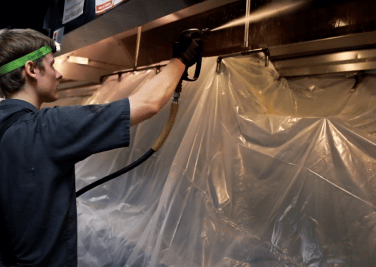
Deposited particles get stirred up by movement, heating/cooling systems, and normal use, sustaining increased indoor particle counts long after external air clears. Professional sampling documents these changing conditions, generating insights that inform efficient corrective measures.
Health Effects on Children and Seniors
Young children and older adults experience disproportionate impacts due to developing or declining respiratory systems, resulting in increased asthma episodes, reduced lung function, and greater susceptibility to cardiovascular complications from sustained PM2.5 exposure.
Volatile Organic Compounds (VOCs) and Formaldehyde
VOCs evaporate from many common products such as paints, glues, cleaners, and personal hygiene items, contributing to eye, nose, and throat irritation, headaches, and dizziness. Formaldehyde, recognized as a likely human carcinogen, releases from composite wood materials, insulation products, and fabrics, creating heightened concern in fresh construction or renovated areas during peak emission periods.
Mold Spores, Allergens, and Humidity Issues
Increased humidity—prevalent in coastal areas of Southern California—create ideal conditions for mold spores, dust mites, and other biological allergens to thrive in hidden locations such as wall cavities, attics, and HVAC systems. These biological contaminants trigger allergic reactions, asthma exacerbations, and immune system responses in sensitive individuals, particularly in coastal or humid regions.
Carbon Dioxide, Radon, and Ventilation Indicators
High carbon dioxide concentrations serve as reliable markers of inadequate ventilation, corresponding to buildup of additional pollutants and decreased mental clarity. Radon, a naturally occurring radioactive gas without color or smell, seeps from soil in certain geological areas and accumulates in basements or ground-level spaces, necessitating specific monitoring to evaluate chronic exposure potential.
Comprehending these widespread risks promotes early corrective measures. Reach out today to identify specific contaminants affecting your indoor environment. Explore our residential HVAC solutions for complementary improvements and find out about other home air quality solutions.
The 3 Major Types of Indoor Air Quality Testing Techniques
Expert practitioners apply three essential techniques to gather comprehensive data: continuous monitoring, time-weighted sampling, and specialized pollutant testing. These complementary approaches deliver full evaluation of both short-term readings and extended average concentrations.
Real-Time Monitoring and Instrumentation
Portable, high-precision instruments deliver immediate measurements of particulate matter (PM2.5), carbon dioxide, relative humidity, temperature, and volatile gases, facilitating fast recognition of urgent issues and fluctuating patterns during normal use.
Integrated Sampling with Laboratory Analysis
Long-period sampling tools collect air over several hours to multiple days, providing average concentration data that laboratory analysis then quantifies with exceptional accuracy for VOCs, mold spores, and other complex mixtures.
Targeted Contaminant-Specific Testing
When certain pollutants are suggested by health complaints, building characteristics, or area-specific risks, targeted procedures concentrate on priority substances like radon or formaldehyde, producing conclusive data for critical substances.
Our certified team thoughtfully combines these approaches tailored to your particular needs. Contact us for a complimentary consultation to determine the most appropriate methodology. Discover more about our HVAC maintenance programs that support ongoing air quality and long-term equipment efficiency.
How Does Professional Indoor Air Quality Testing Work?
Professional indoor air quality testing employs a rigorous, systematic protocol designed to deliver trustworthy, supportable findings while minimizing disruption to occupants. The process initiates with thorough consultation, advances through detailed on-site work and sampling, proceeds to laboratory examination, and ends with comprehensive documentation and practical guidance tailored to the specific findings.
Step 1 – Initial Consultation and Symptom Review
The process begins with detailed conversation about observed symptoms, property history, recent modifications, and local environmental influences that may influence indoor air quality.
Discussing Your Home History and Local Risks
Details regarding past improvements, equipment operation, nearness to traffic corridors, or fire events helps determine key sampling areas and contaminant emphasis.
Identifying Potential Sources
Initial detection of moisture issues, air handling system problems, or significant pollutant sources facilitates effective, concentrated assessment strategy.
Step 2 – Visual Inspection and On-Site Measurements
Technicians conduct a comprehensive visual assessment for signs of water damage, microbial growth, dust accumulation, or ventilation problems while simultaneously collecting real-time data on key parameters.
Step 3 – Air Sampling and Real-Time Monitoring
Strategic placement of sampling devices captures representative air from living zones, sleeping areas, and potential problem locations to document actual occupant exposure.
Step 4 – Accredited Laboratory Analysis
Collected samples receive thorough analysis at certified, independent labs applying approved laboratory procedures to determine and quantify contaminants with superior precision.
Step 5 – Detailed Reporting and Recommendations
Property owners obtain a well-structured report including data interpretation, source determination, health significance, and ordered corrective recommendations covering everything from ventilation optimization to focused source reduction.
This disciplined methodology guarantees reliable, meaningful outcomes. We’re committed to guiding you through every phase—contact us for a complimentary consultation. Learn more about our HVAC installation expertise and and its role in supporting air quality enhancement.
When Should You Schedule Indoor Air Quality Testing?
Optimal timing enhances the effectiveness of indoor air quality testing. Consider scheduling after major environmental incidents, structural changes, seasonal shifts, or when ongoing symptoms indicate an indoor cause.
Common Symptoms Indicating Poor Indoor Air
Recurring headaches, eye/nose/throat irritation, unexplained fatigue, worsening asthma, or sleep disturbances frequently correlate with elevated indoor contaminants requiring evaluation.
High-Risk Situations in Los Angeles and Orange County
Aftermath of wildfires, significant remodeling projects, new building construction, or extended periods of high humidity substantially increase exposure potential and justify prompt assessment.
Recommended Testing Frequency for Families
Regular annual or biennial testing helps preserve healthy environments in regions facing significant environmental pressures, while more regular testing benefits homes with vulnerable occupants.
Post-Remediation and Pre-Purchase Verification
Post-remediation testing validates the efficacy of prior improvements, while pre-purchase assessments reveal potential concerns before property transactions complete.
Prompt action prevents escalation and protects long-term health. Contact us for personalized scheduling recommendations. See our commercial HVAC solutions for business applications and further air quality enhancement options.
How Much Does Indoor Air Quality Testing Cost in Southern California?
Indoor air quality testing investment varies based on scope and location. Standard residential evaluations typically fall between $300 and $800, encompassing common pollutant screening with basic sampling and laboratory verification. More extensive packages that encompass multiple collection sites, specialized pollutant testing, smoke-related analysis, or larger-scale commercial facilities typically fall between $1,000 and $2,000 or higher.
Breakdown of Standard vs Comprehensive Packages
Fundamental packages target widespread pollutants including PM2.5 and VOCs, while comprehensive protocols expand to include formaldehyde, radon, detailed mold speciation, and post-remediation verification.
What Influences the Final Price
Building size, quantity of collection locations, time sensitivity, distance traveled, and specialized testing requirements determine total cost while maintaining transparent pricing structures.
Value of Professional Testing vs DIY Options
Professional services deliver laboratory-grade accuracy, contextual interpretation by certified experts, and tailored remediation guidance that greatly outperforms do-it-yourself consumer kits, offering substantially greater enduring value.
Open, upfront cost information creates trust and facilitates smart decision-making. Reach out for a customized quote tailored to your property (Professional Hood And Duct Cleaning [:city]). Explore our swamp cooler services for different cooling solutions
What Improvements Can You Expect From Professional Indoor Air Quality Testing?
Indoor air quality testing generates concrete benefits in wellness, comfort, productivity, and home value. Most clients report substantial reductions in allergy symptoms, fewer headaches, improved sleep quality, and increased daytime energy after implementing recommended interventions.
Immediate Health and Comfort Benefits
Focused interventions based on detailed test findings generally produce clearer breathing, decreased eye and throat irritation, and reduced respiratory complaints within a few weeks of application.
Long-Term Energy Savings and System Longevity
Improved ventilation techniques and cleaner air passages extend equipment longevity while lowering energy costs through increased system efficiency and reduced mechanical strain.
Emotional Relief and Family Protection
Definitive verification that indoor air quality meets health guidelines delivers deep reassurance, reducing worry about family exposure and building increased confidence in the home.
Our substantial area knowledge reliably generates beneficial results. "The difference was immediate—my kids stopped coughing at night," shared Sarah M. from Pasadena. "We now know why our allergies persisted; the professionals gave straightforward explanations and practical fixes," noted Michael R. from Orange County. "Professional service from start to finish—highly recommend," added Lisa T. from Glendale. We stand behind every project with our satisfaction guarantee.
Areas We Serve Throughout Los Angeles, San Fernando Valley, Pasadena, Orange County California
We provide expert indoor air quality testing near you across Los Angeles County and adjacent areas, covering Los Angeles, Long Beach, Santa Clarita, Glendale, Lancaster, Palmdale, Pomona, Torrance, Pasadena, and dozens more cities including El Monte, Downey, Inglewood, West Covina, Norwalk, Burbank, South Gate, Hawthorne, Whittier, Alhambra, Lakewood, Bellflower, Baldwin Park, Compton, Redondo Beach, Gardena, Monterey Park, Rosemead, Arcadia, Pico Rivera, Paramount, Diamond Bar, Culver City, Azusa, La Mirada, Temple City, Covina, La Puente, San Gabriel, Glendora, West Hollywood, Montebello, San Dimas, Cerritos, Monrovia, Manhattan Beach, Lynwood, Bell Gardens, South Pasadena, Huntington Park, La Verne, Lawndale, Walnut, Claremont, Artesia, Lomita, Signal Hill, South El Monte, El Segundo, Hermosa Beach, Duarte, San Fernando, Maywood, Sierra Madre, Bell, Avalon, Industry, Hidden Hills, Bradbury, Rolling Hills, Rolling Hills Estates, Vernon, Irwindale, Malibu, Beverly Hills, Westlake Village, La Cañada Flintridge, Agoura Hills, Calabasas, along with countless neighboring cities.
Our well-placed location allows rapid response throughout the service territory. Instant Air Solutions, 412 W Dryden St APT 6, Glendale, CA 91202, (747) 307-6363.
As dedicated local professionals, we understand the distinct environmental challenges of Southern California and deliver customized solutions that address them effectively. For business applications, check our commercial HVAC services.
Frequently Asked Questions About Indoor Air Quality Testing
What is indoor air quality testing?
Indoor air quality testing is a professional evaluation that examines airborne pollutants like PM2.5, VOCs, mold spores, formaldehyde, and carbon dioxide through advanced sampling and laboratory analysis. It identifies contamination sources and provides recommendations for improvement. In Southern California, this service addresses regional concerns including wildfire smoke and coastal humidity. For more information, visit our main HVAC services page. (98 words)
How much does indoor air quality testing cost in Southern California?
Costs for standard residential indoor air quality testing usually cost $300–$800, while comprehensive assessments with multiple samples and specialized analysis generally fall between $1,000 and $2,000+. Pricing depends on property size, number of contaminants tested, and urgency. Professional services provide greater accuracy and value than DIY alternatives. Learn about our pricing approach on our contact page. (92 words)
When should I test my home’s indoor air quality?
Schedule indoor air quality testing after wildfire smoke exposure, major renovations, during allergy season peaks, or when experiencing unexplained symptoms such as headaches or fatigue. Annual testing benefits homes in high-risk areas. Pre-purchase inspections and post-remediation verification also provide valuable assurance. Explore related residential services for ongoing support. (85 words)
Does indoor air quality testing detect mold?
Yes, professional indoor air quality testing effectively identifies mold spores through specialized air sampling and accredited laboratory analysis, revealing hidden growth caused by moisture issues or leaks. Results enable targeted remediation strategies. For mold-related concerns, see our HVAC maintenance options. (78 words)
How long does the testing process take?
The on-site portion of indoor air quality testing typically requires 1–3 hours depending on property size and scope, while laboratory processing and reporting generally complete within days to two weeks. This timeframe balances thoroughness with timely results. Contact us through our contact page to discuss your timeline. (82 words)
Is professional testing better than DIY kits?
Professional indoor air quality testing provides laboratory-validated accuracy, comprehensive contaminant profiling, expert interpretation, and actionable recommendations that far surpass the capabilities of consumer-grade DIY kits. This difference proves critical for reliable diagnosis and effective remediation. Learn more about professional standards on our about page. (88 words)
What pollutants are most common in Los Angeles homes?
Los Angeles residences commonly contain elevated PM2.5 from traffic and wildfire smoke, VOCs from household products, mold spores from humidity, and formaldehyde from building materials. Local conditions significantly influence exposure levels. For regional solutions, explore our HVAC installation services. (79 words)
Will testing help with allergy symptoms?
Yes, identifying specific allergens such as mold spores, dust mites, or pet dander through indoor air quality testing enables targeted interventions that frequently reduce or eliminate allergy symptoms. Many clients experience noticeable relief after implementing recommendations. Discover complementary residential HVAC solutions. (82 words)
How soon will I receive my results?
Following on-site sampling, indoor air quality testing results typically become available within several days to two weeks, including a detailed report with interpretation and recommendations. This efficient turnaround minimizes uncertainty. For urgent concerns, see our contact options. (76 words)
Can testing improve my HVAC system performance?
Absolutely—indoor air quality testing identifies issues like dust accumulation or poor ventilation that strain HVAC systems. Implementing recommendations often enhances efficiency, extends equipment life, and reduces energy costs. Explore our HVAC maintenance plans for ongoing optimization. (81 words)
We Can Help! Contact Us Today
The stress of breathing potentially unhealthy air, apprehension about long-term health effects on loved ones, and annoyance with unexplained symptoms are legitimate worries for many residents throughout Southern California (Professional Hood And Duct Cleaning [:city]). Professional indoor air quality testing gives conclusive answers, greatly decreases exposure dangers, generates measurable improvements in comfort and energy savings, and renews confidence in your living space
Choosing experienced local professionals ensures reliable, repeatable results that deliver lasting value for your family's well-being and peace of mind.
Instant Air Solutions serves as your trusted local partner for indoor air quality testing and comprehensive HVAC solutions. Our certified technicians bring extensive regional knowledge and deliver prompt, dependable service. Whether addressing allergy concerns, post-wildfire recovery, general indoor comfort, or preventive maintenance, we have helped numerous families achieve healthier living spaces.
Conveniently located at 412 W Dryden St APT 6, Glendale, CA 91202, call (747) 307-6363. We proudly serve Los Angeles, San Fernando Valley, Pasadena, Orange County, and surrounding communities. Enjoy a complimentary consultation estimate. With proven expertise and a satisfaction guarantee, we help you achieve cleaner, healthier air with complete confidence.
Begin your journey to cleaner air—reach out today for your complimentary consultation.
Instant Air Solutions
Address: 412 W Dryden St Apt 6 Glendale, CA 91202Phone: (747) 307-6363
Email: instantairsolutionsinc@gmail.com
Instant Air Solutions
Fire Suppression System Inspection San Gabriel, CA
Restaurant Ventilation Cleaning San Gabriel, CA
Restaurant Hood Installation San Gabriel, CA
Restaurant Kitchen Ventilation San Gabriel, CA
Kitchen Hood Inspection San Gabriel, CA
Kitchen Hood Repair Service San Gabriel, CA
Fire Suppression System Certification San Gabriel, CA
Kitchen Exhaust Fan Motor Replacement San Gabriel, CA
Hood Cleaning Companies San Gabriel, CA
Hood Filter Cleaning San Gabriel, CA
Kitchen Exhaust Fan Motor Replacement San Gabriel, CA
Commercial Kitchen Ventilation Services San Gabriel, CA
Kitchen Hood Grease Removal San Gabriel, CA
Kitchen Exhaust Cleaning San Gabriel, CA
Commercial Kitchen Ventilation Services San Gabriel, CA
Kitchen Hood Inspection San Gabriel, CA
Commercial Kitchen Hood Installation San Gabriel, CA
Restaurant Hood Installation San Gabriel, CA
Kitchen Exhaust Installation San Gabriel, CA
Kitchen Hood Repair Service San Gabriel, CA
Restaurant Kitchen Ventilation San Gabriel, CA
Restaurant Ventilation Cleaning San Gabriel, CA
Restaurant Hood Installation San Gabriel, CA
Professional Hood And Duct Cleaning San Gabriel, CA
Commercial Kitchen Hood Service San Gabriel, CA
Professional Hood And Duct Cleaning San Gabriel, CA
Restaurant Ventilation Cleaning San Gabriel, CA
Kitchen Exhaust Fan Motor Replacement San Gabriel, CA
Hood Vent Cleaning Services San Gabriel, CA
Kitchen Exhaust Fan Repair Service San Gabriel, CA
Commercial Kitchen Hood Service San Gabriel, CA
Restaurant Kitchen Ventilation San Gabriel, CA
Kitchen Hood Repair Service San Gabriel, CA
Around Me Seo Company Near Me San Gabriel, CA
Finding A Good Seo Firm San Gabriel, CA
Instant Air Solutions
Hood Cleaning Companies San Gabriel, CA
Commercial Kitchen Hood Cleaning San Gabriel, CA

Table of Contents
- – Instant Air Solutions
- – What Exactly Is Indoor Air Quality Testing?
- – How Indoor Air Quality Differs from Outdoor Air
- – Why Testing Matters More in Southern California
- – Common Misconceptions About Home Air Testing
- – What Are the Most Common Indoor Air Pollutants...
- – Particulate Matter (PM2.5) and Wildfire Smoke...
- – How Smoke Lingers Indoors After Fires
- – Health Effects on Children and Seniors
- – Volatile Organic Compounds (VOCs) and Formald...
- – Mold Spores, Allergens, and Humidity Issues
- – Carbon Dioxide, Radon, and Ventilation Indica...
- – The 3 Major Types of Indoor Air Quality Testin...
- – Real-Time Monitoring and Instrumentation
- – Integrated Sampling with Laboratory Analysis
- – Targeted Contaminant-Specific Testing
- – How Does Professional Indoor Air Quality Testi...
- – Step 1 – Initial Consultation and Symptom Review
- – Discussing Your Home History and Local Risks
- – Identifying Potential Sources
- – Step 2 – Visual Inspection and On-Site Measur...
- – Step 3 – Air Sampling and Real-Time Monitoring
- – Step 4 – Accredited Laboratory Analysis
- – Step 5 – Detailed Reporting and Recommendations
- – When Should You Schedule Indoor Air Quality Te...
- – Common Symptoms Indicating Poor Indoor Air
- – High-Risk Situations in Los Angeles and Orang...
- – Recommended Testing Frequency for Families
- – Post-Remediation and Pre-Purchase Verification
- – How Much Does Indoor Air Quality Testing Cost ...
- – Breakdown of Standard vs Comprehensive Packages
- – What Influences the Final Price
- – Value of Professional Testing vs DIY Options
- – What Improvements Can You Expect From Professi...
- – Immediate Health and Comfort Benefits
- – Long-Term Energy Savings and System Longevity
- – Emotional Relief and Family Protection
- – Areas We Serve Throughout Los Angeles, San Fer...
- – Frequently Asked Questions About Indoor Air Qu...
- – We Can Help! Contact Us Today
- – Instant Air Solutions
Latest Posts
Website Design Agency Eastvale
Top Social Media Marketing Company Norco
Best Local Seo Irvine
More
Latest Posts
Website Design Agency Eastvale
Top Social Media Marketing Company Norco
Best Local Seo Irvine